
Transforming Recruitment Data Into Business Intelligence | Nexellence
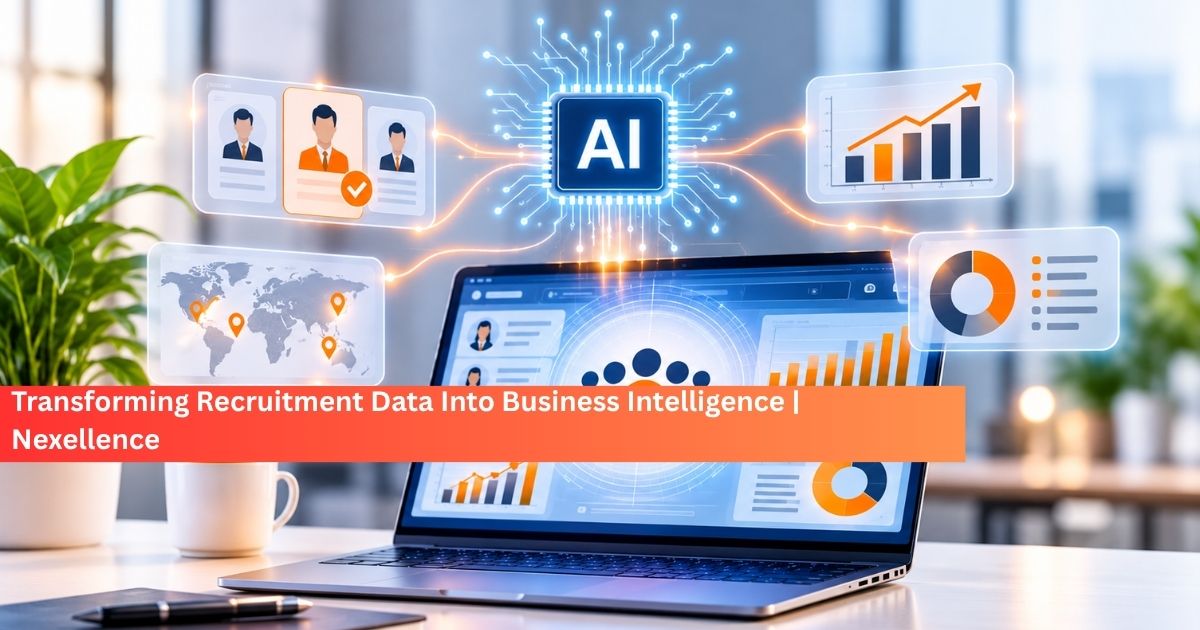
Nexellence helps organizations turn recruitment information into meaningful insights through specialized recruitment support, strategic research, and technology-enabled workflows.
Recruitment generates valuable information at every stage, from candidate sourcing and outreach to client interactions and placement activities. However, the real advantage comes from converting this information into actionable business intelligence.
At Nexellence, we recognize that organized recruitment data can help businesses understand talent availability, identify hiring opportunities, and improve recruitment operations.
From Recruitment Records to Strategic Insights
Modern recruitment requires more than maintaining candidate databases. It involves analyzing information to identify patterns, opportunities, and areas that require attention.
Key areas of recruitment intelligence include:
Candidate Data Intelligence
Organizing professional backgrounds, skills, qualifications, and contact information to make candidate discovery more targeted.
Sourcing Performance Analysis
Understanding which platforms, search techniques, and talent channels generate the most relevant candidate profiles.
Talent Market Intelligence
Using market mapping and industry research to identify skill demand, talent availability, and emerging hiring opportunities.
Client and Opportunity Insights
Connecting candidate capabilities with relevant job openings and potential hiring organizations to support business development.
How AI Strengthens Recruitment Data Management
AI can assist with information categorization, profile analysis, pattern recognition, and recruitment research. When combined with accurate CRM records and human verification, these capabilities can improve the quality of recruitment insights.
At Nexellence, we bring together Candidate Sourcing, CRM & Database Management, Market Mapping, MPC Projects, and Full-Cycle RPO to help recruitment businesses organize information and strengthen their operations.
Conclusion
Recruitment data becomes valuable when it supports better decisions rather than remaining unused in databases. Combining structured data management, AI-assisted research, and professional expertise allows businesses to develop more informed recruitment strategies.